


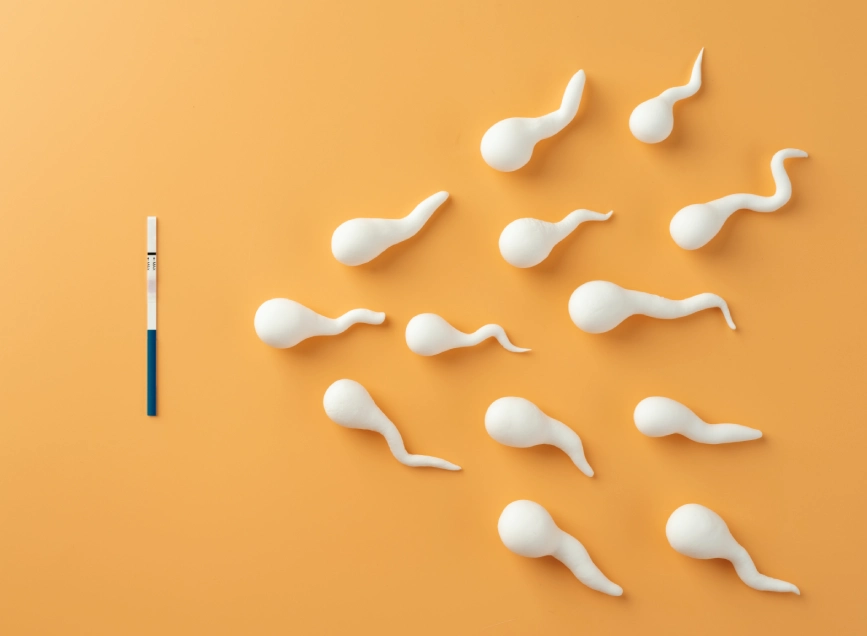

When people talk about fertility, they often focus only on a woman’s age and egg quality. But a man’s age and lifestyle also play a big role in sperm health. Studies show that factors like stress, diet, smoking and alcohol can directly affect sperm quality. For a sperm donor in india, this can influence eligibility and success rates. Fertility experts often remind us that sperm quality is not just about numbers; it is shaped by biology, habits and overall health.
If you’re planning to donate through a sperm bank in Mumbai or considering sperm donation in Mumbai, understanding these Sperm quality factors can help you make informed decisions.
Why Sperm Quality Matters for Donors
Healthy sperm is essential for a successful pregnancy through natural conception, IVF, or IUI. Sperm quality factors like count, motility and morphology determine the likelihood of fertilization. For sperm donors, this quality is even more important because it directly impacts the success rates for recipients.
The Role of Age in Sperm Quality
Decline in Fertility With Age
While men can produce sperm throughout life, age does affect sperm quality. Research shows that after the age of 40, sperm motility and DNA integrity begin to decline, reducing the chances of conception.
Genetic Risks and Older Donors
Older donors may have a higher risk of passing on genetic abnormalities. This is why sperm banks in Mumbai often have strict donor age limits (commonly between 21–40 years).
Lifestyle Habits and Sperm Quality Factors
Diet and Nutrition
A balanced diet rich in antioxidants, vitamins and minerals supports sperm health. Excess processed foods, alcohol and caffeine can reduce sperm count and motility.
Smoking and Alcohol Consumption
Smoking has been linked to reduced sperm morphology, while heavy alcohol intake disrupts hormone levels that regulate sperm production.
Stress and Sleep
Chronic stress and poor sleep can lower testosterone levels, directly affecting sperm production. Relaxation techniques and consistent sleep patterns improve reproductive health.
Exercise and Obesity
Regular exercise supports hormone balance, but excessive workouts or anabolic steroids harm sperm quality. Obesity is another key factor that negatively impacts sperm count and motility.
How Sperm Banks Assess Donor Quality
When you apply as a sperm donor in India, clinics conduct strict screening tests:
- Semen analysis (count, motility, morphology)
- Blood tests for infections
- Genetic testing for inherited conditions
A sperm bank in Mumbai ensures only healthy donors are selected to improve success rates for couples undergoing IVF or IUI.
Practical Tips to Maintain Healthy Sperm
- Eat antioxidant-rich foods like nuts, fruits and leafy greens.
- Limit alcohol and quit smoking.
- Exercise moderately and maintain a healthy BMI.
- Manage stress with meditation or yoga.
- Get regular health checkups before donating.
Final Thoughts
Age and lifestyle strongly shape sperm quality and potential donors should stay mindful of both. Men can produce sperm throughout life, but building healthy habits early leads to better fertility outcomes. If you are considering becoming a sperm donor in India, choose a trusted center like Sprouting Seed ART Bank for guidance and safe procedures. Good health, balanced lifestyle choices and regular medical screenings can improve your chances as a donor. With the right approach, you also give couples relying on sperm donation a better chance to achieve their dream of parenthood.
FAQs
Q1. At what age is sperm donation most effective?
Most clinics recommend donors between 21 and 40 years old, as sperm quality begins to decline after 40.
Q2. Does lifestyle really affect sperm quality for donors?
Yes. Habits like smoking, alcohol, poor diet and lack of sleep can reduce sperm count and motility.
Q3. Can stress reduce sperm quality?
Chronic stress disrupts hormone balance, which may lower sperm production and overall quality.
Q4. How do sperm banks in Mumbai test donor sperm?
They use semen analysis, medical tests and genetic screening to ensure sperm meets fertility standards.


