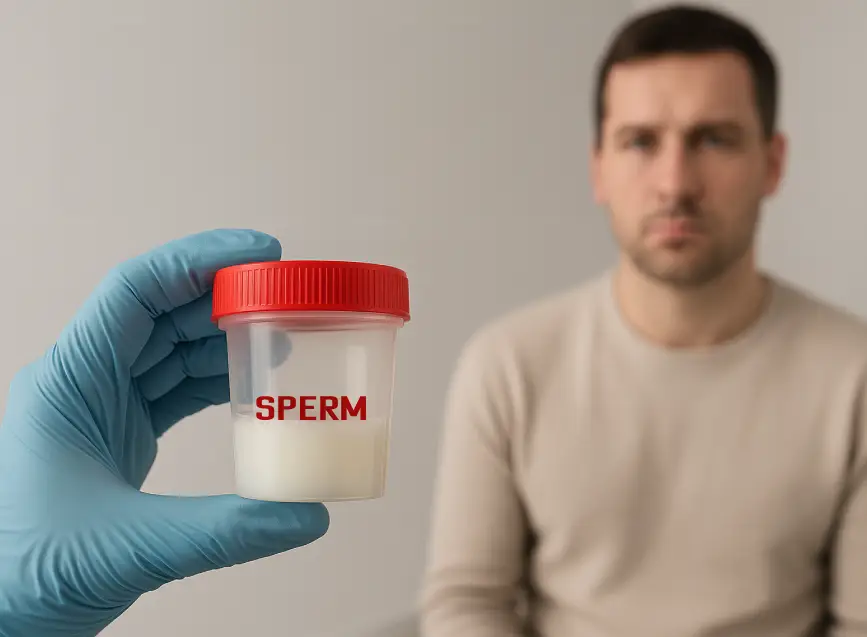
Finding a reliable sperm donor in India requires a clear understanding of the sperm donor screening process. For individuals or couples seeking fertility assistance, especially through a sperm donation centre in Mumbai, knowing why many potential sperm donors fail the screening is the first step in choosing the right donor. This blog outlines the main causes of sperm donation failures to help you make an informed decision.
Why Screening Matters in Sperm Donation
The screening process is necessary to ensure the health and well-being of both the recipient and the future child. Whether you are considering a sperm donor in Mumbai or elsewhere, certified sperm banks conduct comprehensive tests to confirm the donor’s physical health, genetics and psychological stability. High-quality sperm donation in Mumbai depends on these multi-level evaluations. Fertility bank follows national guidelines (as outlined by ICMR) and internationally accepted practices for safety and reliability.
Medical History Disqualifications
Donors with a personal or family history of genetic disorders (such as Huntington’s disease or hemophilia), chronic illnesses or neurological conditions are usually disqualified. According to the Indian Council of Medical Research (ICMR), detailed evaluations of a donor’s family medical background are mandatory. These checks prevent the risk of passing hereditary conditions to the child.
Poor Sperm Quality or Low Count
One of the most frequent reasons for rejection is substandard sperm quality. Donors must meet specific semen standards for motility (40% or more), morphology (at least 4% normal forms) and sperm count (minimum 15 million/ml) based on WHO criteria. Samples that fall below these parameters are not accepted for donation.
Infectious Diseases and STDs
All sperm donors must undergo extensive infectious disease testing. This includes screening for HIV, Hepatitis B and C, syphilis, gonorrhea and chlamydia. Any positive result results in immediate disqualification. Samples are also placed under a quarantine period for six months and retesting is done before clearance for use, as per ICMR protocol.
Genetic Testing Failures
Donors are tested for inherited conditions like thalassemia, cystic fibrosis, and sickle cell anemia. If a donor is identified as a carrier of a serious inherited disorder, they may be rejected even if asymptomatic. A sperm bank in Mumbai follows strict genetic screening protocols to reduce the risk of genetic transmission and ensure a healthy future for the child.
Unhealthy Lifestyle Habits
Donors who smoke, use drugs, consume excessive alcohol or maintain a sedentary lifestyle are often disqualified. Medical studies show that such habits lower sperm quality, increase DNA fragmentation and reduce fertility potential. Since these behaviors do not meet standard sperm quality requirements, only donors with a healthy lifestyle are considered suitable.
Mental Health and Psychological Screening
Mental health screening is a vital component of the sperm donor evaluation process. Conditions like untreated depression, anxiety disorders or a family history of psychiatric illness can disqualify a donor. Professional psychological assessments ensure emotional wellness and long-term mental health stability.
Age and Physical Fitness Criteria
Most sperm banks in India accept donors between the ages of 18 to 39. Those who are underweight, obese, or have chronic physical conditions may be deemed unfit. A balanced diet, regular exercise and an overall healthy lifestyle significantly influence sperm quality and donor acceptance.
Inconsistent or Unreliable Behavior
Donors must comply with appointments, follow hygiene protocols and cooperate with the screening process. If a candidate displays non-compliance, misses sessions or shows dishonesty, they may be disqualified. Consistency and responsibility are key traits of a qualified donor.
Travel History or High-Risk Behavior
Recent travel to areas affected by infectious disease outbreaks (e.g., Zika virus, malaria) or engagement in high-risk sexual behavior can result in disqualification. These guidelines exist to protect both recipients and future children from avoidable health risks.
Why It’s Important to Choose a Screened Donor
A fully screened donor ensures a higher chance of successful conception and a lower risk of health complications. Art Bank, like Sprouting Seed maintains strict compliance with ICMR guidelines to ensure the highest standards in donor health and recipient safety.
To Conclude
Understanding why sperm donors fail the screening process helps you make better choices on your fertility journey. If you’re exploring options for a sperm donor in Mumbai, be sure to choose one that follows thorough testing and national standards. With careful selection and clinical guidance, you can move forward with peace of mind.
FAQs
Q1. What disqualifies someone from becoming a sperm donor?
Ans: Donors may be disqualified due to poor sperm quality, genetic issues, infections, mental health conditions or unhealthy lifestyle habits.
Q2. How do sperm banks in Mumbai screen donors?
Ans: Through semen analysis, medical and psychological history checks, infectious disease testing, and genetic screening in line with ICMR guidelines.
Q3. Can a healthy person still fail the screening process?
Ans: Yes, hidden genetic conditions or minor abnormalities in sperm quality can cause a healthy-looking donor to be rejected.
Q4. Why is sperm quality crucial?
Ans: Because it directly affects the chances of successful fertilization, embryo development, and long-term child health.
Q5. Is donor screening the same everywhere?
Ans: While ICMR sets the standard, some centres may apply stricter evaluations to enhance safety and success rates.