
Enquire now
At our modern sperm bank in Mumbai, we provide secure and confidential services to support every step of your fertility journey. With over 25 years of experience, our team offers reliable sperm donation and storage facilities, ensuring the highest standards of care and privacy. Through strict screening processes, we make sure only healthy and disease-free sperm is available for use, giving you complete peace of mind. Whether you need sperm for IVF, insemination, or other fertility treatments, we are here to help you achieve parenthood with trust and reliability.
As a reputed fertility centre, we are dedicated to guiding individuals and couples toward their dream of becoming parents. Our advanced facilities for sperm donor in India are designed to meet a wide range of reproductive needs with precision and care, offering dependable fertility solutions for a successful future.
What is Sperm Donation?
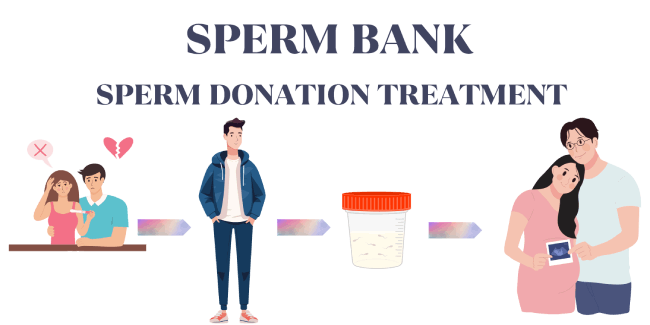
Sperm donation is a medical process where healthy men provide sperm to help people or couples dealing with issues like male infertility or genetic diseases. In treatments such as IVF (In Vitro Fertilization), donor sperm is used to create healthy embryos that can be implanted for a successful pregnancy. With sperm donation Mumbai services, many families now have access to safe and reliable options for starting their parenthood journey.
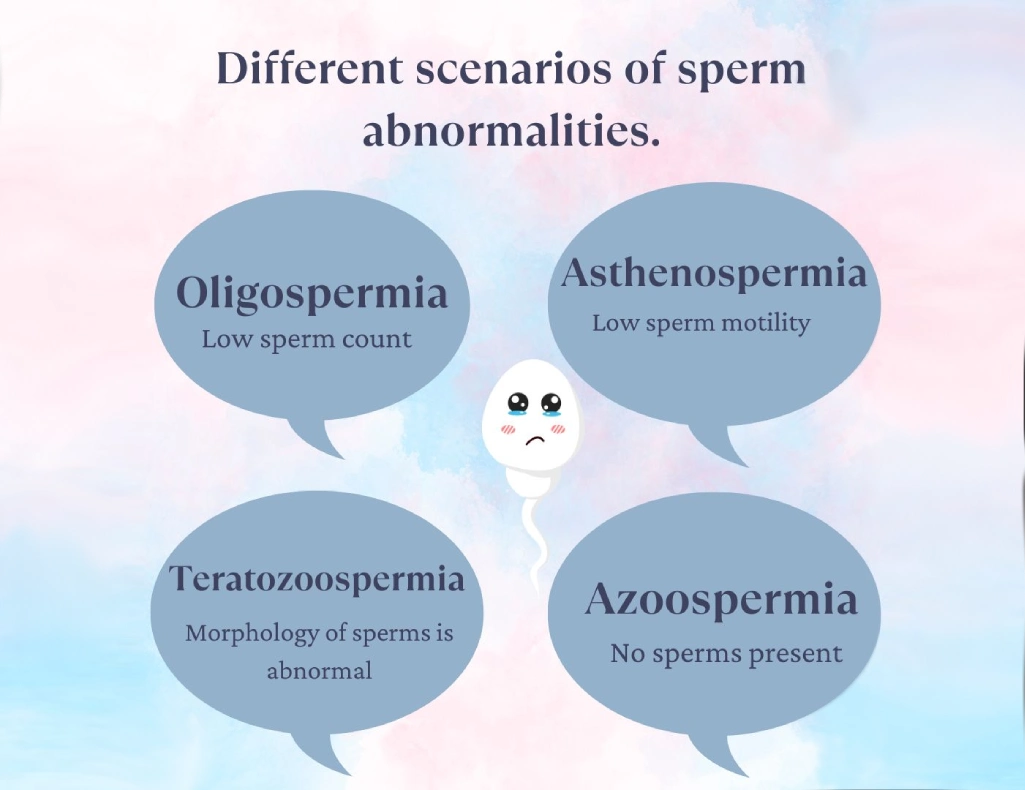
At Sprouting Seed a trusted sperm donation centre in Mumbai offers reliable solutions for different infertility challenges. The following conditions highlight when donor sperm can be beneficial:
Oligospermia: Low sperm count is called oligospermia. This is the term used to depict the condition when the sperm count is low, under 16 million sperm/ml.
Asthenospermia: Low sperm motility that is motility below 40%.
Teratozoospermia: This is a condition where the morphology of sperms is abnormal, that is when sperms are abnormally shaped.
Azoospermia: No sperms present in at least 2 sperm counts done from standardized laboratories at least 4 weeks apart.
Oligospermia + Asthenospermia + Teratozoospermia: May occur alone or in combination varying from mild to severe variety.
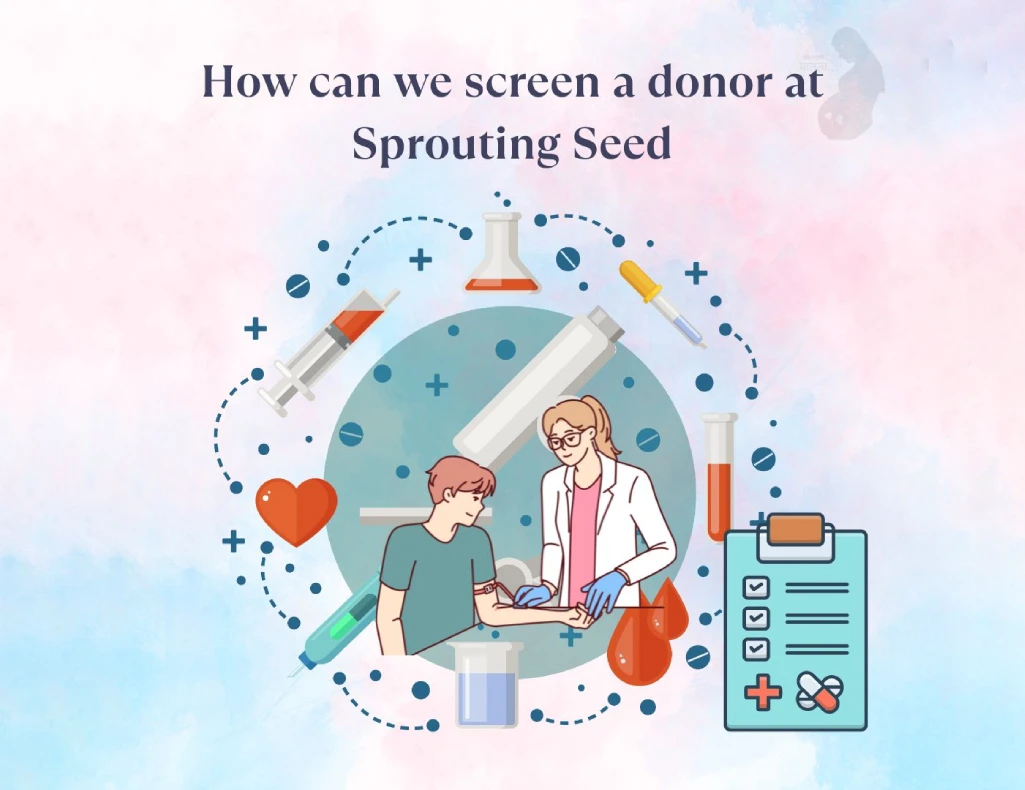
Once the semen sample is collected, it is preserved in liquid nitrogen at –196 degrees Celsius, where research shows sperm can survive for up to 24 years. After the final screening, the sample is stored safely for infertility treatments.
By executing this extensive screening and preservation process, Sprouting Seed ensures the finest quality sperm donation for IVF, assisting individuals and couples on their path to motherhood.
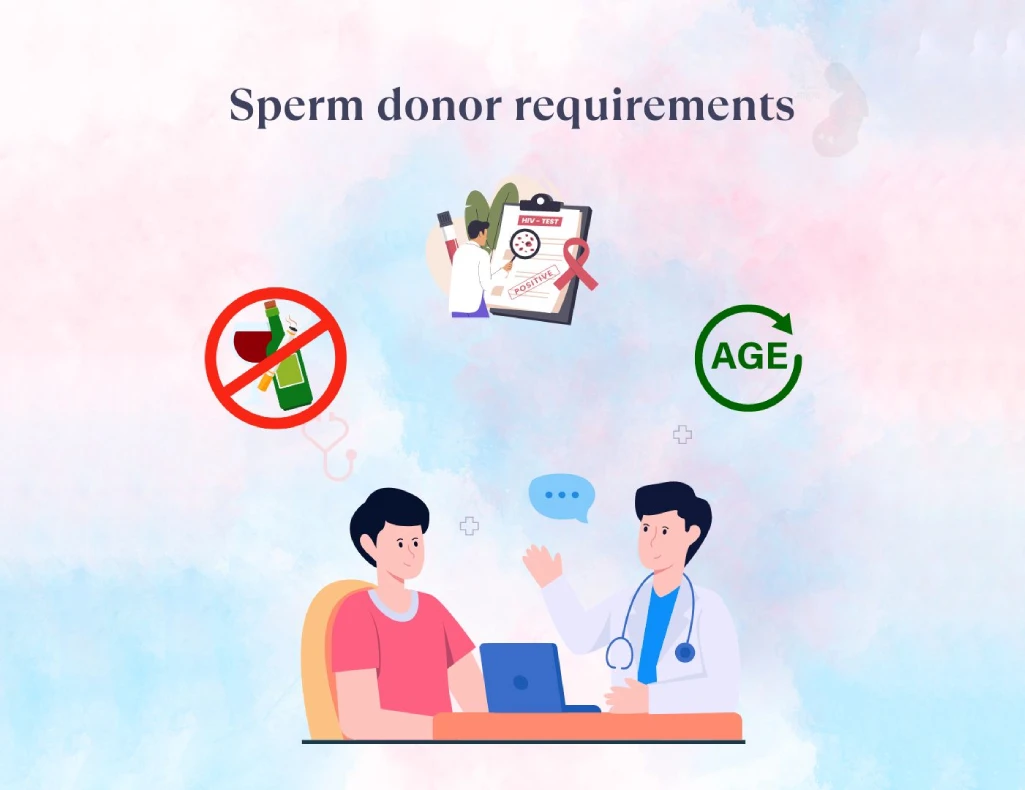
Age of the donors:- Donors should be between the age of 18yrs to 35yrs.
Health:- Physical health – Height, Weight, Body Mass Index Calculation, Blood Pressure & General Vital Signs readings are taken. Medical investigations – RBS, HIV, Hepatitis B, HCV,( Hepatitis C) ,Thalassemia , Haemoglobin,CBC (Complete blood count), VDRL ( for sexually transmitted disease).
Substance abuse:- No history of alcohol or substance addiction (or other signs of it, smoking tobacco,weed, marijuana etc.)
Myth : Sperm donation is a difficult process.
Fact : Enrolling as a sperm donor is not a difficult process. Undergoing tests and examinations to qualify is a clear and hassle-free process. It happens at Sprouting Seed under one roof.
Myth : Anyone can donate sperms.
Fact : Anyone and everyone cannot qualify as a sperm donor. One has to undergo a series of simple tests and investigations ,before the donor is selected.
Myth : Only young students donate sperm.
Fact : Incorrect. Our sperm donors range in age from 18 to 35 years.
Myth : Donation process affects your personal/sex life.
Fact : This is not true. You don’t need to change your sexual habits, but you’ll need to ensure you practice safe sex at all times.
Myth: Donating sperm is harmful
Fact : False, Sperm donation is not harmful in any way.
Masturbation is an act that involves touching the genitals or other sensitive areas of the body for sexual pleasure. This form of activity is a safe way to explore your body, feel pleasure and release built-up sexual tension.
Despite the myths, there are actually no physically harmful side effects of masturbation.
Let’s take a look at the myths and facts about masturbation.
Myth : It can cause you to suffer from erectile dysfunction.
Fact : Masturbation does not cause erectile dysfunction in any way and has not been proved anywhere. It refers to the inability to maintain or get an erection during intercourse.There are various causes for erectile dysfunction, but masturbation isn’t the cause
Myth : Masturbation doesn’t provide any long-term health benefits
Fact: Research says that masturbation has health benefits that it provides improved concentration levels and better sleep. It also helps in relieving stress and headaches as your body releases endorphins (brain chemicals), which give you a sense of well-being.
Myth: Masturbation causes infertility
Fact : Pleasuring yourself does not restrict you from getting pregnant.
There are many myths about infertility. Some people believe that masturbation can cause infertility.
However, no matter your genitals, gender or age, masturbation can’t affect your ability to become pregnant or carry a pregnancy to term.
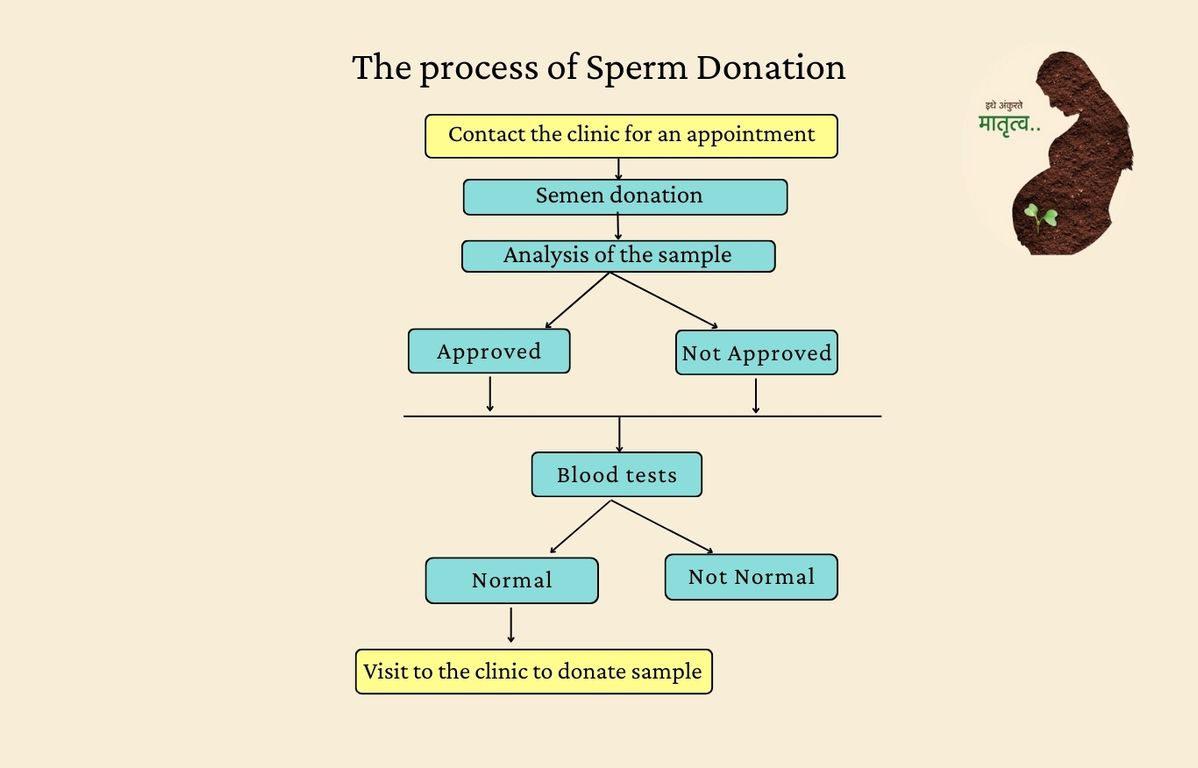
Following are the steps involved in the Sperm Donation Process:
To contact a clinic offering sperm donation Mumbai services. visit their website or call their customer support for inquiries about donation options and services. You can also schedule a consultation for more details.
Semen donation allows a man to provide sperm to help couples or individuals who cannot conceive naturally. Every sperm donor in India undergoes strict testing, and the sample is screened, frozen, and stored for fertility treatments like IVF or artificial insemination.
The donated semen is tested in the lab to check quality, including sperm count, shape, and movement. Only samples that meet medical standards are accepted for use in fertility treatments.
Once the analysis is complete, the approved samples are stored safely for procedures. This ensures only healthy and reliable sperm is used for treatment.
Blood tests are performed to check general health, hormone levels, and infections. A normal result confirms the donor is fit for the program and suitable for medical use.
If the blood test shows any issues, further treatment or medical checks are required before the process can continue.
Clinics also offer guidance on other fertility services, such as women egg donation, to support different parenthood needs.
1. Where to donate sperm?
Men can donate sperm at licensed sperm banks or fertility clinics that follow ICMR (Indian Council of Medical Research) and ART Act guidelines. It’s important to choose a registered center to ensure proper medical, legal, and ethical practices.
2. How to select a sperm donor in India?
In India, sperm donors are chosen based on medical history, genetic health, physical traits, and psychological evaluation. Clinics provide profiles that may include education, profession, and health details, but donor anonymity is maintained as per regulations.
3. What tests and screenings are required for sperm donors?
Sperm donors must undergo semen analysis, blood tests, genetic screening, and infectious disease testing (like HIV, hepatitis, and syphilis). They are also evaluated for overall physical health, age eligibility, and family medical history.
4. What are common reasons why donors fail screening?
Donors may fail screening due to low sperm count, poor sperm motility, genetic disorders, positive infectious disease tests, or significant family health risks. Lifestyle factors such as smoking, alcohol use, or drug abuse can also lead to disqualification.
Let’s begin our conversation. Please tell us a bit about yourself, and we’ll be in touch as soon as possible.
Let’s begin our conversation. Please tell us a bit about yourself, and we’ll be in touch as soon as possible.